
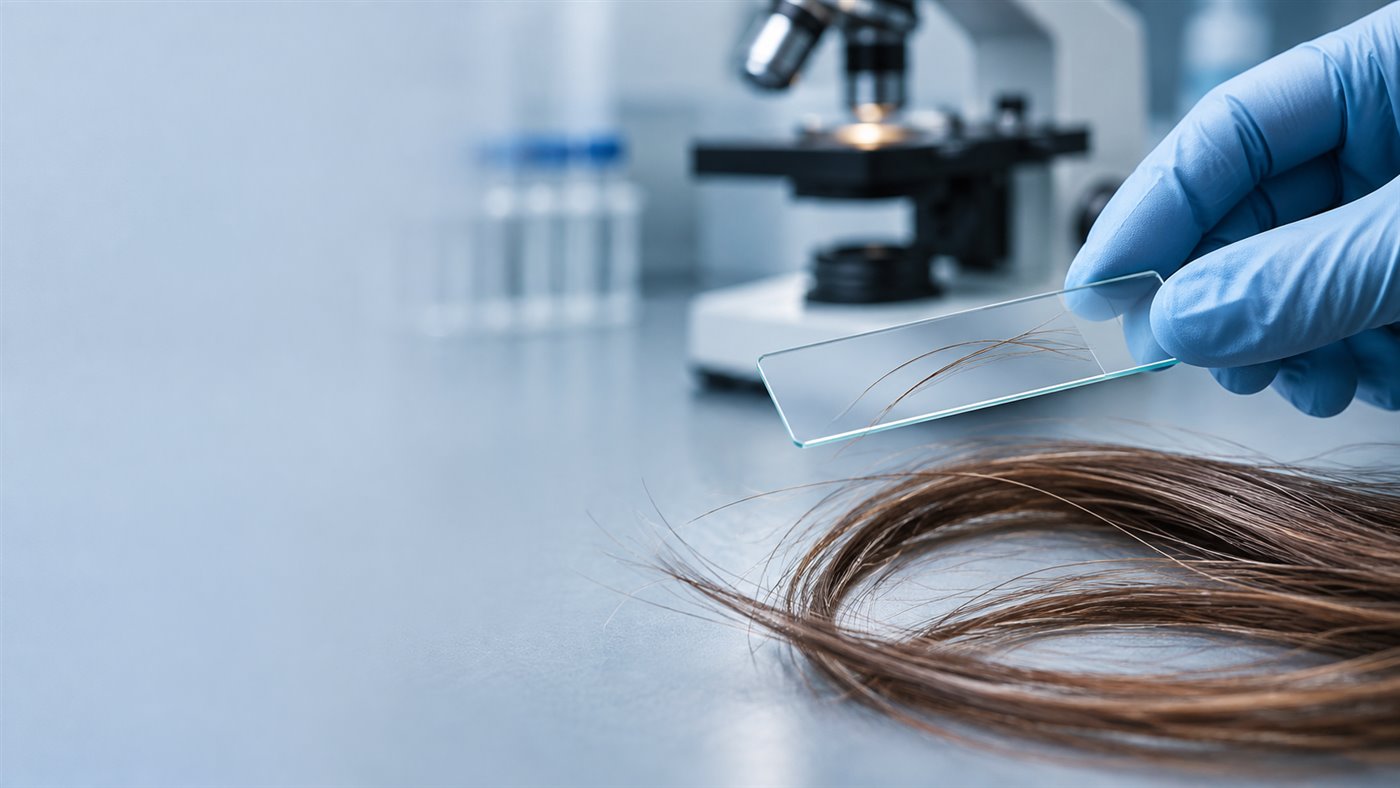
When people read about hair drug testing, they often see the phrase “surface contamination.” It refers to material that may be deposited on the outside of the hair after contact with an environment, product, or substance. That is different from drug-related compounds that may become incorporated into a growing hair strand through the body’s normal processes. The distinction matters because a laboratory’s job is to interpret the specimen using validated collection, washing, and analytical procedures—not to infer a person’s history from a shampoo label or a marketing claim.
Surface residue and hair testing are not the same question
Hair can be exposed to materials from the surrounding environment. Forensic toxicology researchers therefore study how external contamination can be distinguished from compounds associated with ingestion or exposure through the body. Hair laboratories may use washing or decontamination procedures and interpret results alongside the laboratory method, the substance being analyzed, and the collection context. These procedures are specialized lab steps; they are not the same as washing hair at home.
Research on hair decontamination has shown why simple promises are unreliable. A published study examining external cocaine and methamphetamine contamination found that wash procedures did not provide a universal way to remove every trace of external material, and that interpretation depended on the evidence and method. This kind of work illustrates a general point: neither a consumer shampoo nor a single wash can tell a person whether a hair specimen will be considered negative, positive, or otherwise by a particular laboratory. Read the study abstract in PubMed’s indexed research record and discuss questions about an actual result with a qualified laboratory professional.
What “superficial contamination” can mean
The term is sometimes used loosely in consumer discussions. It may refer to residue on the hair’s surface, transfer from the environment, cosmetic buildup, or an assertion that a substance came from contact rather than use. Those possibilities cannot be evaluated by looking at a product package. Laboratories consider the sample, analytical findings, testing protocol, and any applicable interpretive guidance. The exact steps vary by test and laboratory, and a non-specialist should not try to diagnose the source of a finding from a wash routine.
Hair testing is also not a single, universal test. A report depends on what the laboratory was asked to measure, how the sample was collected, the time window represented, and the laboratory’s validated method and reporting criteria. Different testing programs can use different panels and procedures. If a report appears inconsistent with a person’s history, the productive next step is to request the written result and the test program’s process for questions, confirmation, or review. For a formal workplace or legal program, use the named contact provided by the program; for a health concern, consult a clinician.
What Zydot can and cannot be said to do
Zydot Ultra Clean is sold as a hair-care and cleansing product. A retailer’s product description is not independent clinical evidence that a shampoo removes compounds incorporated within a hair strand or changes a laboratory result. We cannot promise that Zydot clears contamination, affects a test outcome, or is appropriate for a particular collection. Hair products may also irritate skin or cause unwanted cosmetic effects, so customers should read the manufacturer’s label and discontinue use if irritation occurs.
Consumers considering the product can review the current Zydot Ultra Clean Shampoo listing for product details. That link is provided for product information only; it is not a recommendation for changing or influencing a drug test. No shampoo should be treated as a substitute for accurate collection, laboratory analysis, a medical review, or a formal appeal process.
Questions worth asking a laboratory
If you are comparing hair testing services or trying to understand a completed test, ask the lab or the ordering organization direct questions: What collection and analysis method was used? What compounds or classes were included? What is the laboratory’s process for reviewing a non-negative or disputed result? How does it handle questions about possible external exposure? Who is qualified to discuss the report, and are there deadlines for requesting any available review? The answers should come from the laboratory or program responsible for the test, because practices and rules are not identical everywhere.
Keep the sample collection information, report, and any written instructions together. Avoid relying on social-media anecdotes, product testimonials, or generic claims that a wash can “beat” a lab. Those sources rarely explain the panel, analytical method, or collection rules that apply to an individual specimen. If the test has employment, court, school, or treatment consequences, ask the responsible organization about its process before taking action.
Further reading
For general information about hair testing and laboratory interpretation, use peer-reviewed toxicology research and ask the laboratory to explain the specific report. SAMHSA’s workplace drug-testing resources describe federally regulated testing processes; those federal rules do not automatically apply to every hair test or private program. For related background, see our overview of specimen validity and modern screening.
This article is educational and does not provide a way to alter a test. Hair-test results require interpretation by the lab or qualified professional responsible for the specific program.